'UP-SKILLING' YOUR DIVING WITH MUDGEE DIVE AND TRAVEL
WILL IMPROVE YOUR SKILLS, ABILITY & CONFIDENCE
We accept all major credit cards
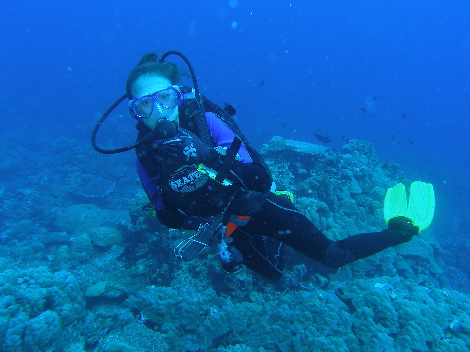
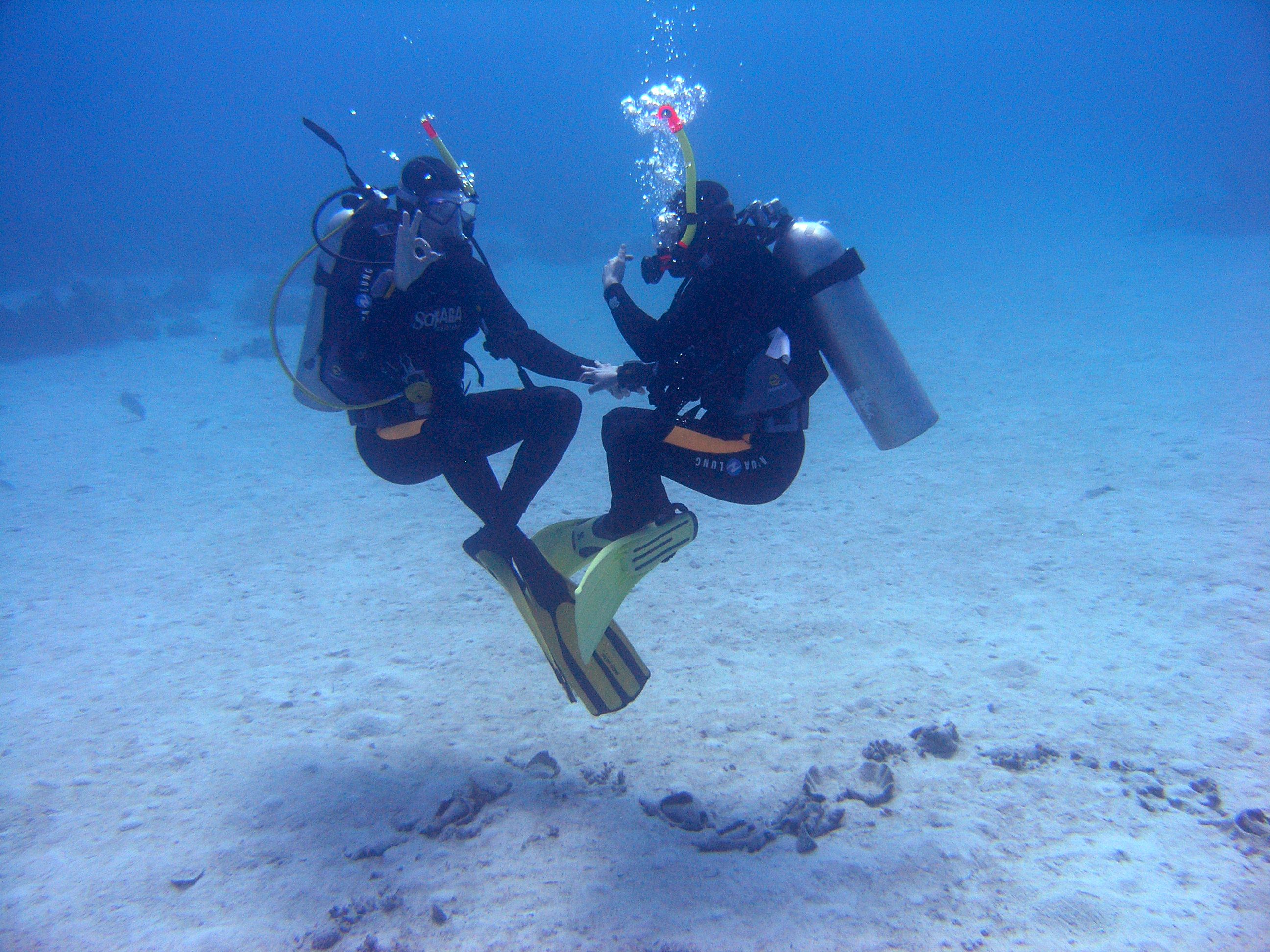
Through P.A.D.I. (the Professional Association of Diving Instructors) we, at MUDGEE DIVE & TRAVEL can offer a very broad range of PADI diver specialty courses.
After you become a trained scuba diver (even if it is with another recognised training provider such as SSI), the P.A.D.I. specialty courses will provide you with the necessary skills and knowledge to expand your diving experiences into new areas of interest, empowering you to become a more confident diver by increasing the type of dives you can comfortably and safely undertake.
Not all specialty courses are for the diver, there are number of P.A.D.I courses that have been specifically designed for non-divers such as snorkelers, to achieve! See the Try It/Learn It page.
All Specialty Courses with a diving component have 'Dive Performance' Criteria that have to be met to successfully achieve the particular certification. Want to know what Diving skills you have to achieve for each of these Specialty Courses? Download the file:
P.S.: it's also a good way to check if you have been taught everything that you paid for!
Continuing Your Diving Adventures Your underwater adventures begin in your entry-level course and grows as you explore new dive sites, use new equipment and try different types of diving, like night or wreck diving. Providing the education, equipment and experiences you want and need, MUDGEE DIVE & TRAVEL supports your diving and helps you truly live the dive life.
You can tap into almost 20 specialty diver courses, (and our list of courses offered, continues to grow), that will allow you to focus on your areas of interest. You can progress up through PADI Rescue Diver on to PADI Divemaster and put your skills to use assisting other divers, or aim for the elite PADI Master Scuba Diver level - diving's ultimate non professional level recreational scuba diver rating. The PADI System of diver education allows you to continue your dive education for a lifetime - even after you become a PADI Instructor -a vocation or avocation that provides a fulfillment few jobs can match.
As a PADI Diver, you become part of the larger PADI community. Here, as in many parts of the world, you can join the PADI Diving Society, an organization made up of dive enthusiasts of all ages and experience levels. The PADI Diving Society keeps members informed on the latest developments in dive news, technology and training and offers members savings and incentives on all of the things you need to stay active and involved in diving - including dive travel, equipment and training.
UP SKILL YOUR DIVING TODAY - DOWNLOAD THE SPECIALTY COURSE FLYER:
Continuing Your Diving Adventures with MUDGEE DIVE & TRAVEL, learning more skills with the following Specialty Certifications
AWARE Coral Conservation
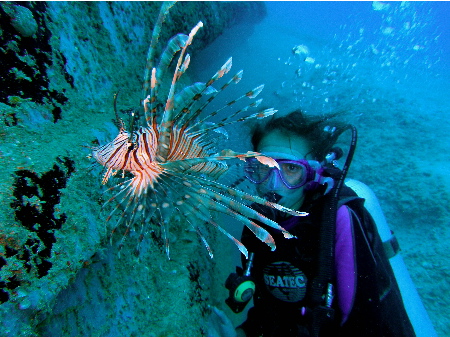
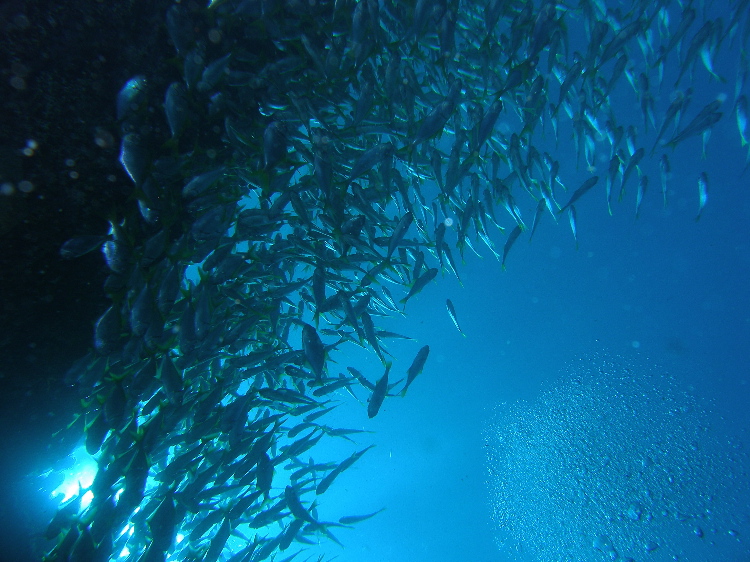
AWARE Fish Identification
Boat Diver
Deep Diver
Digital U/W Photographer (DUP)
Diver Propulsion Vehicle Diver (DPV)
Drift Diver
Emergency Oxygen Provider
Enriched Air Diver ('Nitrox'/EANx)
Equipment Specialist
Multilevel Diver
Night Diver
Peak Performance Buoyancy (PPB)
Project AWARE
Search & Recovery
SMB (Surface Marker Buoy)
Underwater Naturalist
Underwater Navigation
Wreck Diver
SPECIALTY DIVE COURSES
AWARE Coral Reef Conservation Course
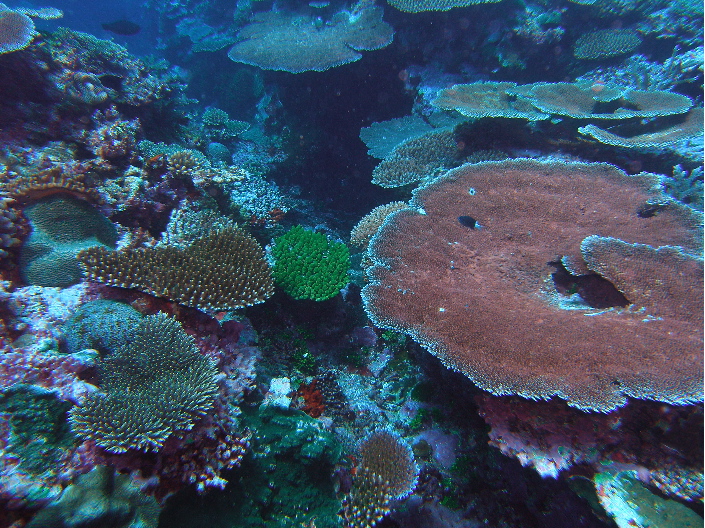
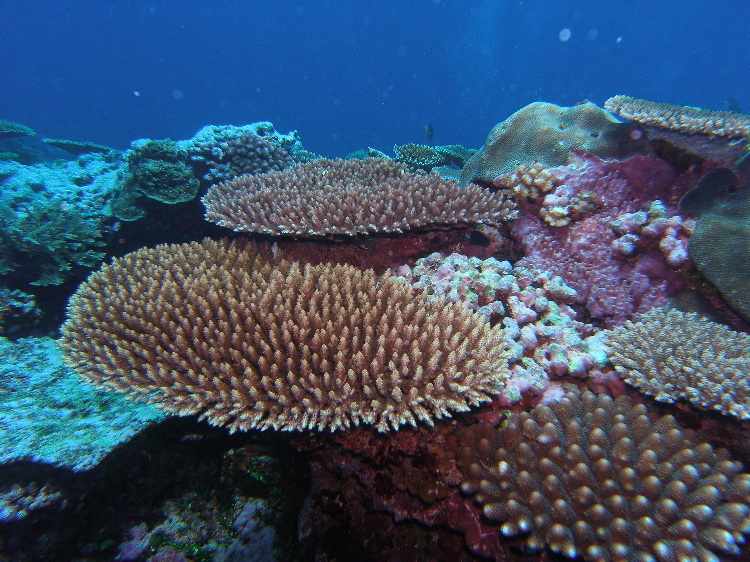
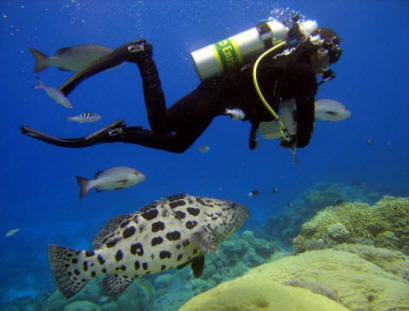
The AWARE - Coral Reef Conservation Specialty course teaches divers, snorkelers and non-divers about the vital role of coral reefs in the marine environment. The course also familiarizes participants with the current state of the world's coral reefs and how they can help.
There are no dives or age limits. Divers and non-divers alike can enjoy learning about the aquatic environment. The course covers the following:
An introduction to the Project AWARE Foundation
The importance of coral reefs to marine ecosystems and coastal areas
Coral reef biology, association and competition
The status of the world's coral reefs
How participants can help, including responsible diving and snorkeling practices
Certification counts toward the PADI Master Scuba Diver rating.
The PADI Project AWARE Fish Identification Specialty course provides you with the fish identification basics so that next time, you know the answer.
During two dives you gain hands-on experience in looking for and identifying the fascinating fish you see underwater. You can learn more about Project AWARE by going to www.projectaware.org
·Must be a PADI Open Water Diver or Junior Open Water Diver (or qualifying certification from another organization)
·Covers Project AWARE and aquatic protection worldwide
·Characteristics of local fish families and species will be explained
·Fish survey techniques and strategies
·Fish identification dive planning, organization and procedures will be practiced
·Including the two open water training dives, the course lasts about 12 hours
·Certification counts toward the PADI Master Scuba Diver rating.
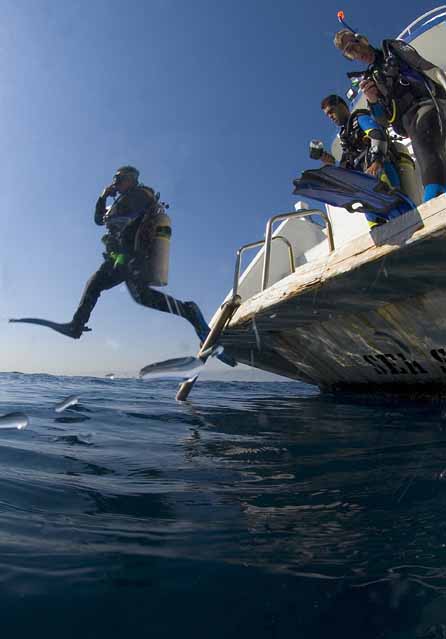
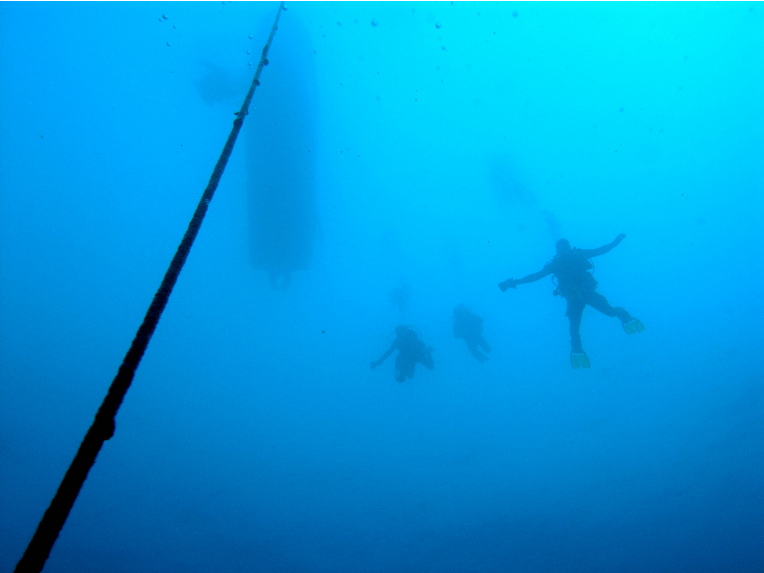
Whether you've never made a boat dive or you've logged dozens, the PADI Boat Diver Specialty course can benefit almost every diver because different boats in different parts of the world do things differently. The PADI Boat Diver Specialty course familiarizes you with the various ways you stow gear, enter and exit the water, use surface lines and more, depending upon the type boat and the location.
Must be a PADI Open Water Diver or Junior Open Water Diver (or qualifying certification from another organization)
Covers techniques for diving from boats ranging from small inflatable to giant liveaboards
Discusses how dive boats differ from place to place
Gives you focused experience and training for diving from boats in your local area
Covers basic boat safety equipment and use
Certification counts toward the PADI Master Scuba Diver rating.
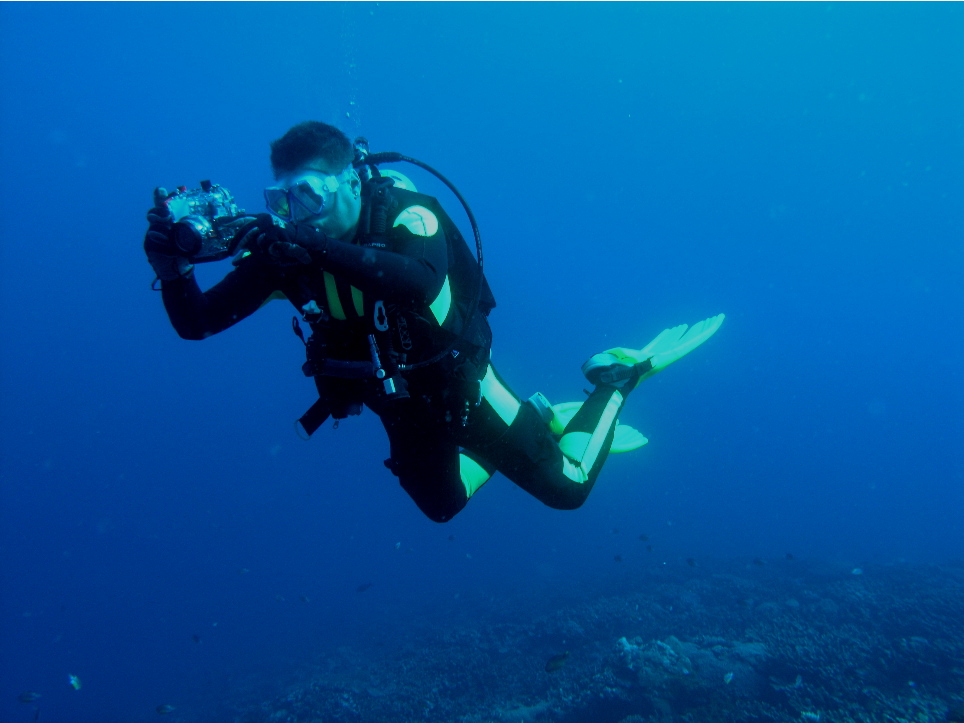
Digital has taken the underwater photography world by storm. Get in on the action with the PADI Digital Underwater Photographer Specialty course. You can quickly and easily capture the underwater world with your camera and on your computer.
During the PADI Digital Underwater Photographer Specialty course, you learn to use the PADISEA (Shoot, Examine and Adjust) method, which takes full advantage of digital technology. The result is good underwater photos faster than you may imagine. You not only learn how to take good photos, but how to share them with your friends via email or printing, optimizing your work with your computer, storage and more.
·Must be a PADI Open Water Diver or Junior Open Water (or have a qualifying certification from another training organization) However, you can take the course as a snorkeler and receive a non-diving certification.
·Choosing and using modern digital cameras and underwater housings.
·Using the PADISEA method for getting great shots quickly
·Editing and sharing your pictures
·The three primary principles for getting good photos underwater
·The PADI Digital Underwater Photographer certifications credits toward the Master Scuba Diver rating.
·This is one of PADI's most adaptable specialty courses, and can even be started during the last dive of your PADI Open Water Diver course
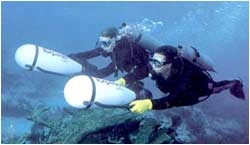
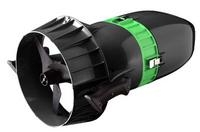
These things are a blast to ride! DPVs offer a thrilling way to see a lot of underwater territory in a brief amount of time. They scoot you through the water without kicking. Want to visit that offshore reef from the beach? A DPV may be the way to go.
·Must be a PADI Open Water Diver or Junior Open Water Diver (or qualifying certification from another organization) and 12 years old.
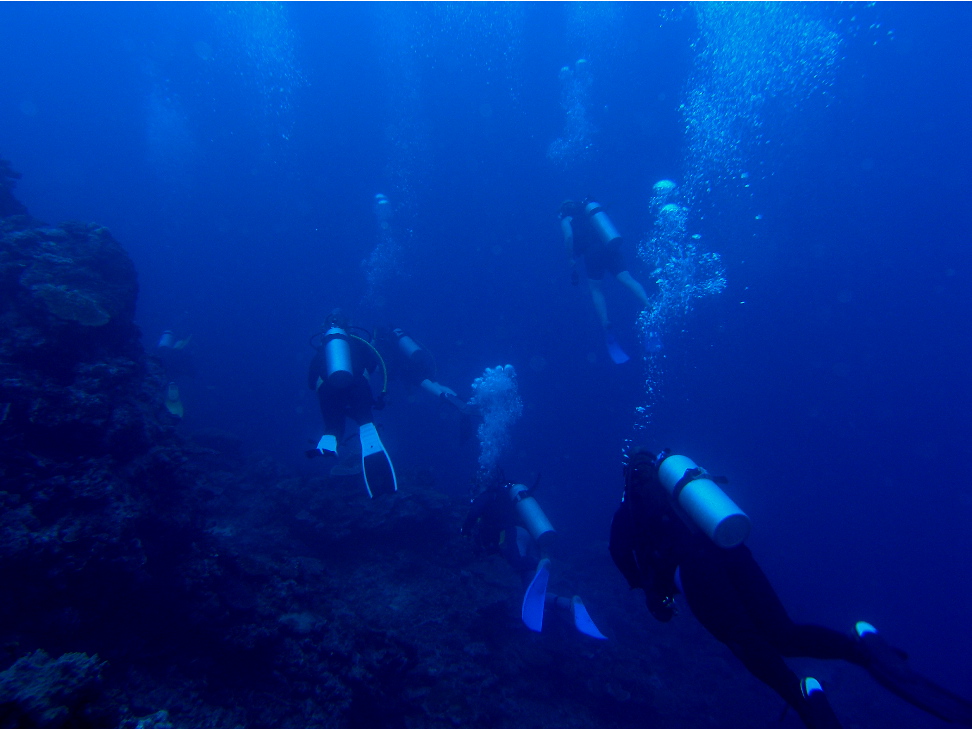
The PADI Drift Diver Specialty Course introduces you to the coolest magic carpet ride you'll ever experience. This course shows you how to enjoy rivers and ocean currents by "going with the flow", staying with your dive partner, communicating with the dive boat and knowing where you are the whole time.
·Must be a PADI Open Water Diver or Junior Open Water Diver (or have a qualifying certification from another training organization) and be at least 12 years old
·Planning, organization, procedures, techniques, problems and hazards of drift diving
·An introduction to drift diving equipment - floats, lines, reels
·Buoyancy-control, navigation and communication for drift diving
·Site selection and overview of aquatic currents - causes and effects
·Techniques for staying close to a buddy or together as a group
·Certification counts toward the PADI Master Scuba Diver rating.
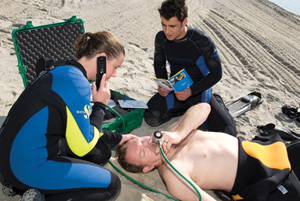
Be the one ready to help a fellow diver should the need arise by becoming a PADI Emergency Oxygen Provider. The PADI Emergency Oxygen Provider Specialty course is an entry-level emergency oxygen course that also teaches you how to recognize dive illnesses treatable by emergency oxygen. Though suited for divers, this course has no prerequisites and doesn't include dives, which means it is equally applicable to those who are around divers - boat crew, non-diving buddies, lifeguards, and shore staff. You don't need any previous CPR or first aid training to take the course.
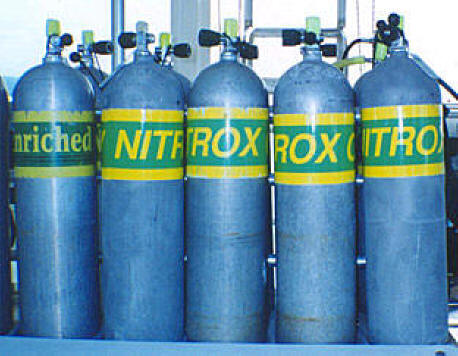
Welcome to one of PADI's most popular specialties - the PADI Enriched Air Diver course. Diving with enriched air nitrox lets you safely extend your no stop time beyond the no decompression limits for air. Diving with enriched air means more time underwater - but you need to be certified as an Enriched Air Diver to get enriched air fills.
Whether you're into underwater photography or wreck diving, on vacation in some tropical paradise or just out for a leisurely day of diving at your local dive site, the PADI Enriched Air Diver course helps you get more out of diving by giving you more time underwater.
·Must be a PADI Open Water Diver (or qualifying certification from another organization).
·Learn to analyze cylinder contents.
·Plan enriched air dives using tables and dive computers.
·Safely increase your no stop time.
·Certification counts toward the Master Scuba Diver rating
NOTE: UNDER AUSTRALIAN STANDARDS A DIVER CANNOT USE OR COMPLETE THE EANX
(NITROX) COURSE UNTIL THEY HAVE LOGGED A MINIMUM OF 20 DIVES.
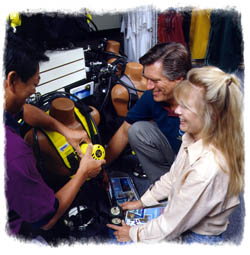
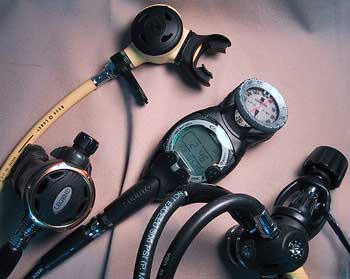
Want to know about how your dive gear works? Then the PADI Equipment Specialist course is for you. This course familiarizes you with the operation and maintenance of your dive equipment. The more you know about how your gear works, the more comfortable you are with it, the more performance you get from it and the better you can care for it.
Must be a PADI Scuba Diver or Junior Scuba Diver (or certification from another organisation
Reviews the theory, principles and operation of dive equipment.
Routine, recommended care and maintenance procedures, and equipment storage
Common problems with equipment and recommended professional maintenance procedures (may include a demonstration of repair procedures)
Simple suggestions for comfortable equipment configurations and an introduction to new gear (may include optional confined water dive to try new or unfamiliar equipment)
No dives are required, so you can take the Equipment Specialist course any time of the year.
The PADI Equipment Specialist Course is not an equipment repair course, but it provides the foundation you'll want if you're interested in learning equipment repair
Certification counts toward the PADI Master Scuba Diver rating.
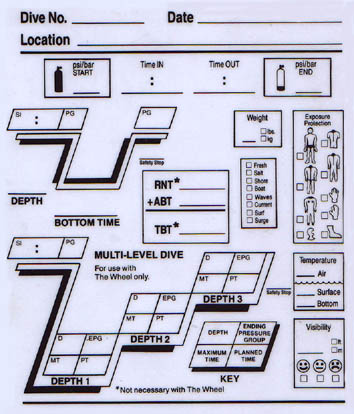
Do you want to maximize your dive times? (Of course). Want to get the most out of your dive computer and The WheelTM? (Naturally). Then the PADI Multilevel Diver Specialty course is for you.
In this course, you learn how to plan dives that extend your bottom time by crediting you for slower nitrogen absorption when you ascend to a shallower depth. That's the way you really dive, after all. You'll learn to use The WheelTM version of the RDP for planning multilevel dives, making it a great companion for your dive computer (as well as a way to make multilevel dives if you forget to bring your computer).
Must be a PADI Open Water Diver or Junior Open Water Diver (or have a qualifying certification from another training organization) and 12 years old
Plan and execute multilevel dives (different depths on the same dive)
Back up your dive computer and plan multi-level dives with The WheelTM
Maximize your no stop time
Certification counts toward the PADI Master Scuba Diver rating.
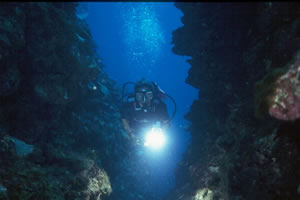
As the sun sets, you don your dive gear, slip on your mask and bite down on your regulator. A deep breath and you step off the boat - into the underwater night. Although you’ve seen this reef many times before, this time you drop into a whole new world and watch it come to life under the glow of your dive light.
The adventure, thrill and excitement of night diving can be yours when you complete your PADI Night Diver Specialty course. You learn about night dive planning, equipment and navigation. You practice these on three night dives, plus introduce yourself to the whole new cast of critters that comes out after the sun goes down.
Must be a PADI Open Water Diver or Junior Open Water Diver (or qualifying certification from another organization) and 12 years old
Number of Dives: Three
Dive lights and night diving equipment
Entries, exits and navigation at night
Nocturnal aquatic life
Communication and light handling
Materials: You'll Need a Night-Pak, which includes PADI Night Diver Manual and the award-winning PADI Night Diving video.
Certification counts toward the PADI Master Scuba Diver rating.
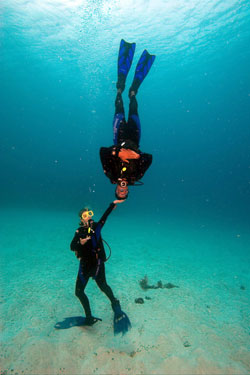
Float effortlessly, drifting over reefs. Be the diver you want to be, with ultimate buoyancy control, able to hover close to the bottom and examine underwater organisms without touching them.
Buoyancy skills separate the good divers from the great divers. In the Peak Performance Buoyancy Specialty course, you will learn to how to precisely weight yourself for optimum control, poise and balance. You learn to ascend and descend so effortlessly, it seems like you only think about it and it happens. By mastering streamlining, you move through the water cleanly, efficiently and gracefully. You swim near fragile environments without harm to them or yourself.
·Must be a PADI Open Water Diver or Junior Open Water Diver certification (or qualifying certification from another organization) & 12 yrs old.
·Number of dives: Two
·Buoyancy fundamentals, weighting and adjustments
·Streamlining, balance and trim
·Fine tuning buoyancy and mastering hovering
·Materials: You'll NeedPeakPerformance Buoyancy video
Certification counts toward the PADI Master Scuba Diver rating
The underwater world needs heroes. You can be one of them by championing the causes of the world's most fragile and important aquatic ecosystems. Sign up for the Project AWARE Specialty course to learn about some of the most pressing problems facing these vulnerable environments and everyday actions you can take to help conserve them. It's informative, interesting and most importantly, you learn how to make a difference.
Project AWARE Foundation is the dive industry's leading nonprofit organization dedicated to conserving the aquatic environment through education, advocacy and action. Besides completing the Project AWARE Specialty course, you can become a partner in the efforts to preserve the underwater environment.
The ocean commons and coastal zone issues
Fisheries challenges and sustainability
Coral environment overview and inhabitants
the role of the diver in protecting aquatic environments
Materials: You'll need AWARE: Our World, Our Water
Certification counts toward the PADI Master Scuba Diver rating.
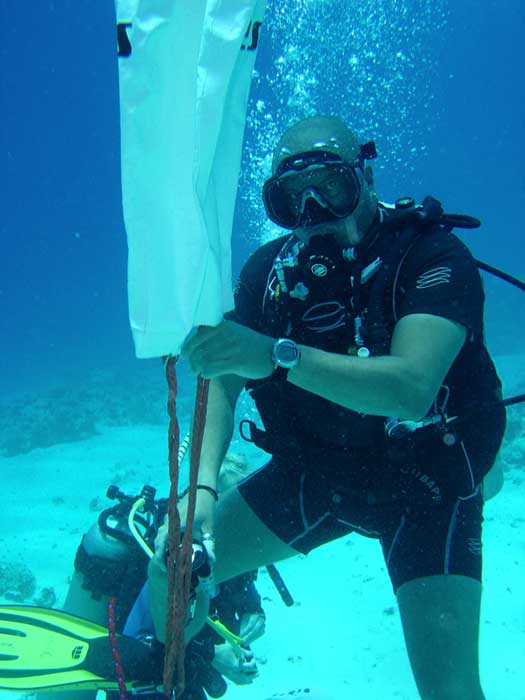
Spend time around water (as a diver, how can you avoid it?) and sooner or later, you come across someone who lost something underwater. If you're looking for the challenge and excitement - along with doing your good deed for the day - the PADI Search and Recovery Diver Specialty course is for you. It gives you the skills you need to find what's been lost, and how to get it to the surface.
In the PADI Search and Recovery Diver Specialty course, you learn search and recovery dive planning, organization, procedures, techniques and how to deal with potential problems. You learn how to locate large and small objects using search patterns, and various ways for lifting them to the surface. Not only do these skills make you more capable and confident in the water, but most Search and Recovery Divers eventually end up searching for and recovering something they lost themselves.
Must be a PADI Advanced Open Water Diver or a PADI Open Water Diver with the PADI Underwater Navigator Specialty (or equivalent certification from another organization)
Must be at least 12 years old
Number of Dives: Four
Search patterns, lift bag use and recovery methods
Limited visibility techniques and navigation for search and recovery
Materials: You'll Need Search and Recovery-Pak, which includes the PADI Search and Recovery Diver Manual and the Search and Recovery video.
Certification counts toward the PADI Master Scuba Diver rating.
Are you fascinated with aquatic life? Always wondering what that fish is and why it always dances under a coral head whenever you get close? If you're engrossed with life under the surface, the PADI Underwater Naturalist Specialty course is especially for you.
In your journey to underwater naturalist, the course teaches you about the different major aquatic life groupings and how they interact so that you understand what you observe in the underwater environment. With the PADI Underwater Naturalist Specialty course under your belt, you see the aquatic world differently. You don't see "fish," but individual species with distinct strategies for surviving in a complex, interactive ecosystem.
Must be a PADI Open Water Diver or Junior Open Water Diver (or qualifying certification from another organization)
Overview of aquatic life groupings and interrelations
The role of aquatic plants, food chains and predator prey relationships
Responsible interactions with aquatic life
Number of Dives: Two
Certification counts toward the PADI Master Scuba Diver rating.
Be the diver everyone wants to follow and make your sense of direction legendary with the PADI Underwater Navigator Specialty course. When everyone's buzzing about a reef or checking out a wreck, they're having a great time - until it's time to go. Then they turn to you, because as a PADI Underwater Navigator, you know the way back to the boat.
Underwater navigation can be challenging, but in the PADI Underwater Navigator Specialty course, you master the challenge. You learn the tools of the trade, including navigation via natural clues and by compass. You learn to estimate distance underwater, follow navigation patterns and know where you are while following an arbitrary, irregular course using the Nav-Finder.
Must be a PADI Open Water Diver or Junior Open Water Diver (or qualifying certification from another organization)
Number of Dives: Three
Navigation patterns, natural and compass navigation
Following irregular courses with the Nav-Finder
Dive site relocation
Materials: You'll Need Nav-Pak, which includes the PADI Underwater Navigator Manual, Underwater Navigation video and the Nav-Finder
Certification counts toward the PADI Master Scuba Diver rating.
You drift down and pass through a window into the past. As you near the bottom, a recognizable shape begins to form. First, you see a straight line, then a round window. Next, a ship materializes in front of you. As you look at the wreck, past and the present meet.
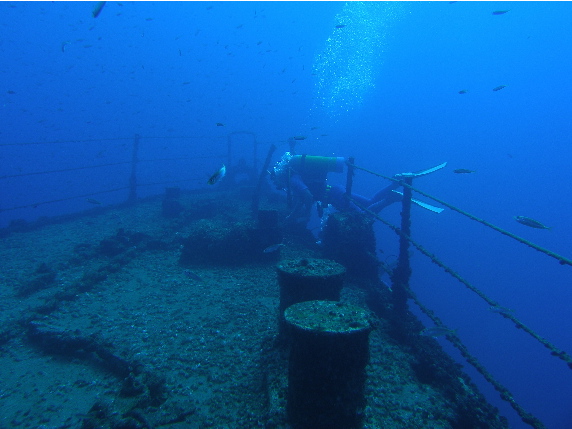
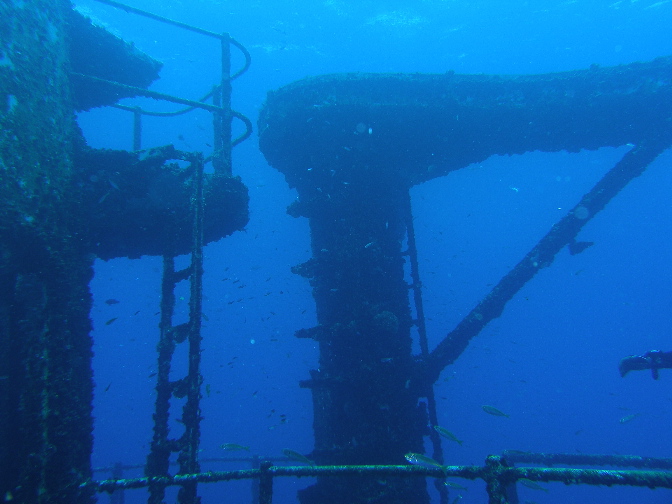
Whether sunk intentionally or tragically, whether a sunken ship, a plane or an automobile, the call of wrecks is nearly irresistible to divers. Through the PADI Wreck Diver Specialty course, you get the skills, knowledge and procedures you need to answer the call of wreck diving.
Must be a PADI Adventure Diver certification (or qualifying certification from another organization) and be at least 15 years old.
Number of Dives: Four dives over two days
Materials You'll Need: Wreck-Pak, which includes the PADI Wreck Diver Manual and Wreck Diving video.
Certification counts toward the PADI Master Scuba Diver rating. The underwater world needs heroes. Be one. Learn how to conserve the aquatic environment
Disclaimer:Data and information is provided for informational purposes only, and is not intended for any other commercial or non-commercial purposes. Neither us nor any of our data or content providers shall be liable for any errors or delays in the content, or for any actions taken in reliance thereon. By accessing our web site, a user agrees not to redistribute the information found therein. We provide customized links to select companies for your convenience only. We do not endorse or recommend the services of any company. The company you select is solely responsible for its services to you, the user. We shall not be liable for any damages or costs of any type arising out of or in any way connected with your use of our services.